The Green-Sovereignty Shift: Redefining the Eastern Suburbs Trophy Asset.
Redefining Sydney's Eastern Suburbs trophy asset through the lens of green sovereignty, ESG compliance, and carbon-negative architecture.

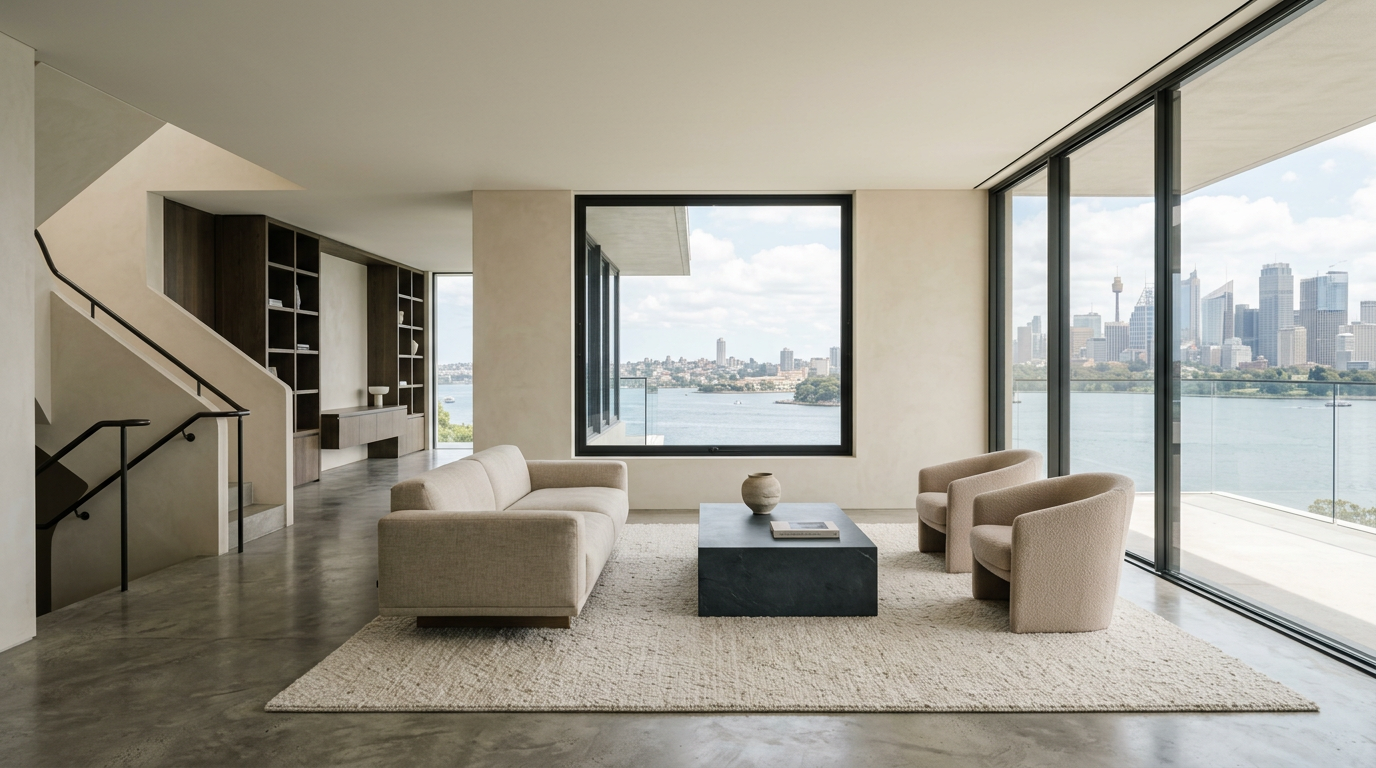
The Green-Sovereignty Shift: Redefining the Eastern Suburbs Trophy Asset
Introduction
For decades, the valuation of Eastern Suburbs estates was predicated on a simple binary: land size and view sovereignty. However, a structural pivot is underway. As institutional mandates and UHNW preferences shift toward climate resilience, we are witnessing the emergence of “Green-Sovereignty”—where the capacity for energy autonomy and environmental adaptation is becoming the primary driver of capital appreciation.
Core Driver: The Valuation Gap and Brown Discounting
We are entering an era of ‘brown discounting’. Legacy mansions, while architecturally significant, often possess inefficient thermal envelopes and antiquated energy systems that represent a significant liability in a high-carbon-tax future. Conversely, trophy assets integrated with cutting-edge ESG frameworks—geothermal heating, closed-loop water systems, and passive solar architecture—are commanding a premium. This is no longer about ‘lifestyle’ sustainability; it is about future-proofing the asset against regulatory shifts and operational inefficiency.
Investor Implications
The gap between ‘legacy luxury’ and ‘resilient luxury’ is widening. Institutional investors are increasingly applying ESG haircuts to assets that require massive retrofitting to meet 2030 benchmarks. For the private investor, the risk is a liquidity trap: owning a trophy asset that is functionally obsolete. The alpha now lies in identifying legacy sites with the potential for a complete resilience overhaul.
Actionable Strategy
- Target Undervalued Legacy Sites: Identify high-view-sovereignty assets in Point Piper or Vaucluse currently trading at a discount due to outdated infrastructure.
- Execute Resilience Retrofits: Deploy capital into deep-green integration (BREEAM Outstanding or equivalent) to shift the asset from ‘brown’ to ‘green’.
- Arbitrage the Premium: Exit or refinance based on the newly established resilience premium, targeting the growing cohort of ESG-mandated family offices.
Conclusion
In the ultra-prime Sydney market, the definition of a ‘trophy’ is evolving. The ultimate luxury is no longer just the view, but the certainty that the asset will remain a high-performing, low-liability sovereign entity regardless of the external environmental climate.