Sydney's Silent Waterfront: The Apex of Australian Luxury.
An exploration of the ultra-prime pockets of Point Piper and Vaucluse, where scarcity and geography define the trophy asset market.

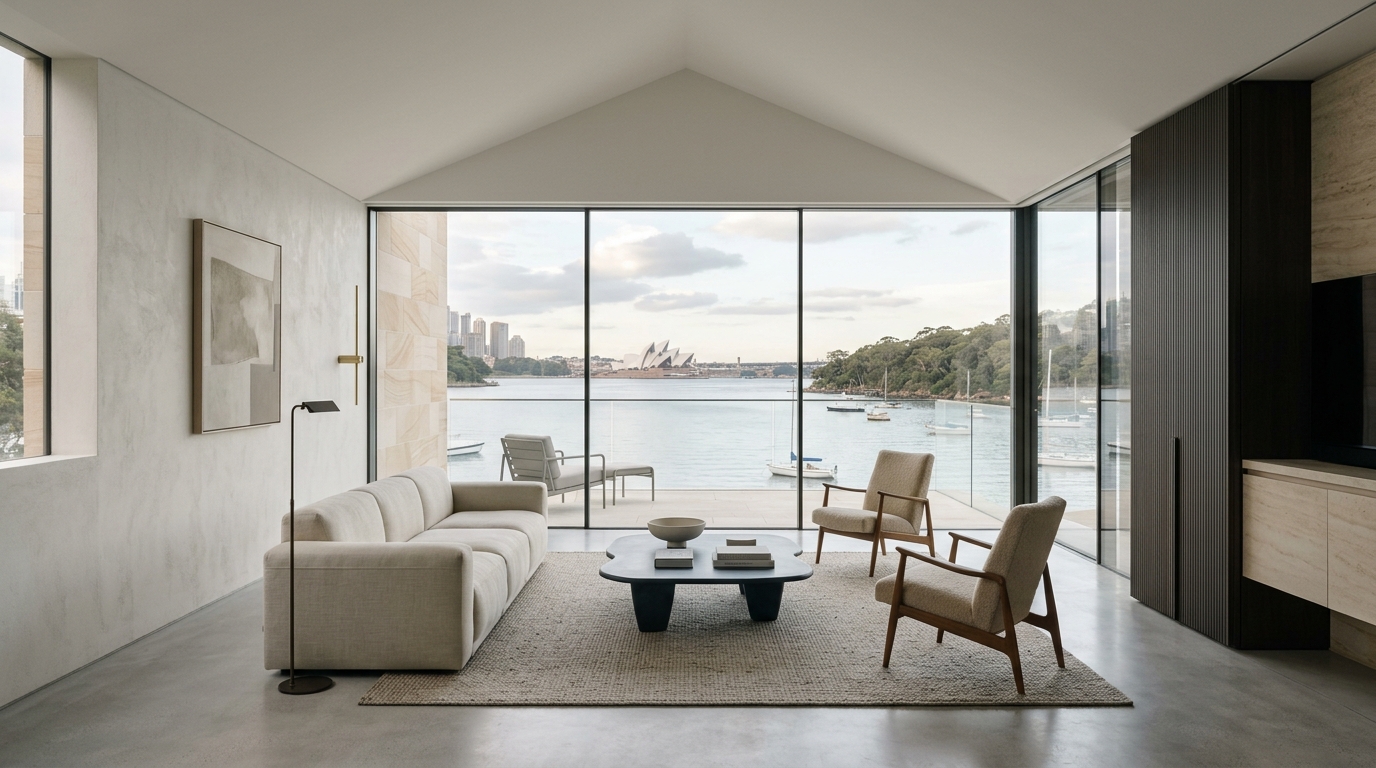
Sydney’s Silent Waterfront: The Apex of Australian Luxury
Sydney represents the pinnacle of the Asia-Pacific residential market, where the intersection of natural beauty and extreme wealth creates a unique asset class. For the UHNW investor, Sydney is not merely about square footage, but about the ownership of a specific, irreplaceable piece of the coastline.
The Core Driver: Absolute Geographic Scarcity
The value of Sydney’s trophy assets is driven by an absolute geographic constraint. In pockets like Point Piper and Vaucluse, the scarcity is physical; there is simply no more waterfront land to develop. This natural ceiling on supply, combined with tight zoning and the prestige of the harbour-front, ensures that these properties act as a hedge against volatility, maintaining value through sheer rarity.
The ‘Silent’ Market
Much of Sydney’s most exclusive activity occurs within the ‘Silent’ market. The most prestigious estates in Double Bay and Point Piper rarely hit the public portals. Instead, they are traded through a sophisticated network of private brokers and family offices. These ‘quiet listings’ are handled with extreme discretion, often moving from one UHNW family to another without ever being officially ‘on the market.‘
Investor Implications
In Sydney, the priority is capital preservation over immediate yield. While rental returns in the ultra-prime sector may be lower than in the broader market, the capital appreciation driven by scarcity is unparalleled. Investors view these assets as ‘land banks’ of prestige—secure stores of wealth that offer both a lifestyle legacy and a robust defensive position in a global portfolio.
Actionable Strategy
- Network Integration: Access to the silent market is the only way to acquire true trophy assets. Prioritize relationships with boutique agencies specializing in the Eastern Suburbs.
- Focus on ‘Irreplaceability’: When evaluating an asset, ignore the building’s current state and focus on the land’s relationship to the water. A ‘fixer-upper’ on the Point Piper waterfront is more valuable than a turnkey mansion in a secondary street.
- Long-Term Horizon: Treat trophy assets as multi-generational holdings. The scarcity driver ensures that the exit multiple is always higher for those who hold through market cycles.
Conclusion
Sydney’s trophy assets are defined by their relationship with the water. For those capable of entering the silent market, Point Piper and Vaucluse offer more than just luxury; they offer a finite resource that is essentially immune to the fluctuations of the standard real estate cycle.