The Speculation and Vacancy Tax: Engineering Demand in Vancouver.
Analyzing how aggressive taxation of non-resident owners has reshaped the Vancouver luxury landscape.

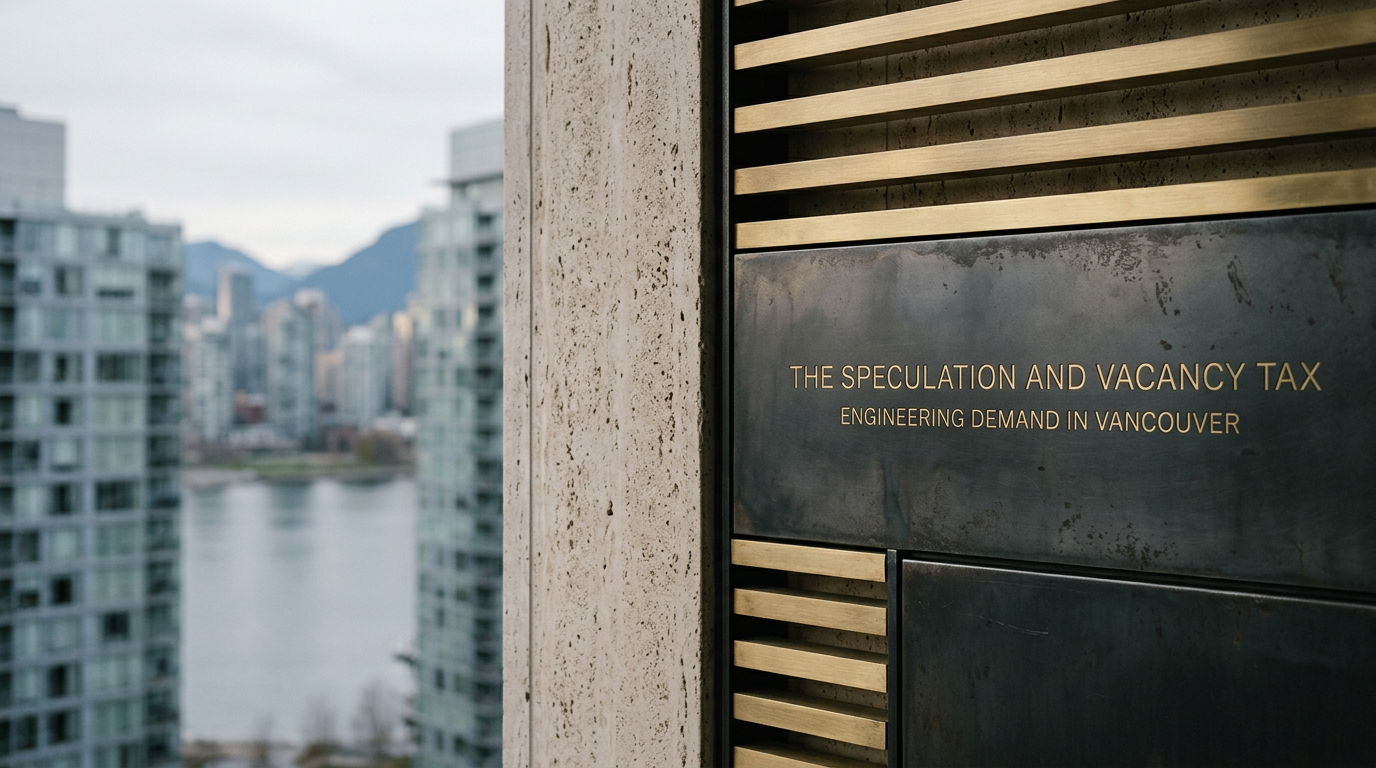
The Speculation and Vacancy Tax: Engineering Demand in Vancouver
Vancouver has become a global case study in using fiscal levers to curb housing speculation. The Speculation and Vacancy Tax (SVT) was designed to discourage foreign owners from leaving luxury properties empty, effectively forcing a choice: occupy, rent, or sell.
The Core Driver: Social Stability vs. Capital Flow
The driver is a socio-political imperative to increase housing supply. By penalizing ‘dark windows’ in West Vancouver and the West End, the government has attempted to decouple luxury real estate from its role as a passive wealth store.
Investor Implications
The SVT has led to a bifurcation of the market. We are seeing a rise in ‘professional luxury rentals’—UHNW owners who now lease their properties to high-earning corporate executives to avoid the tax. This has increased the liquidity of the rental market but compressed the ‘pure’ capital appreciation play that characterized the 2010s.
Actionable Strategy
- Avoid Passive Holdings: The era of the ‘empty pied-à-terre’ is over in Vancouver. Ensure every acquisition has a clear occupancy or rental plan.
- Focus on Development: Shift capital toward luxury developments that include mandated rental components, leveraging government incentives for ‘attainable luxury.’
- Target Primary Residents: Look for properties that appeal to the domestic C-suite, who are exempt from the SVT.
Conclusion
Vancouver is no longer a place for passive speculation. It is now a market for active management. Investors who can integrate operational rental strategies into their luxury holdings will outperform those clinging to old-school holding patterns.