The Wellness Monolith: ESG and the Evolution of New York City Luxury.
Exploring the shift toward 'Health-First' architecture and sustainable certifications in Manhattan's ultra-prime sector.

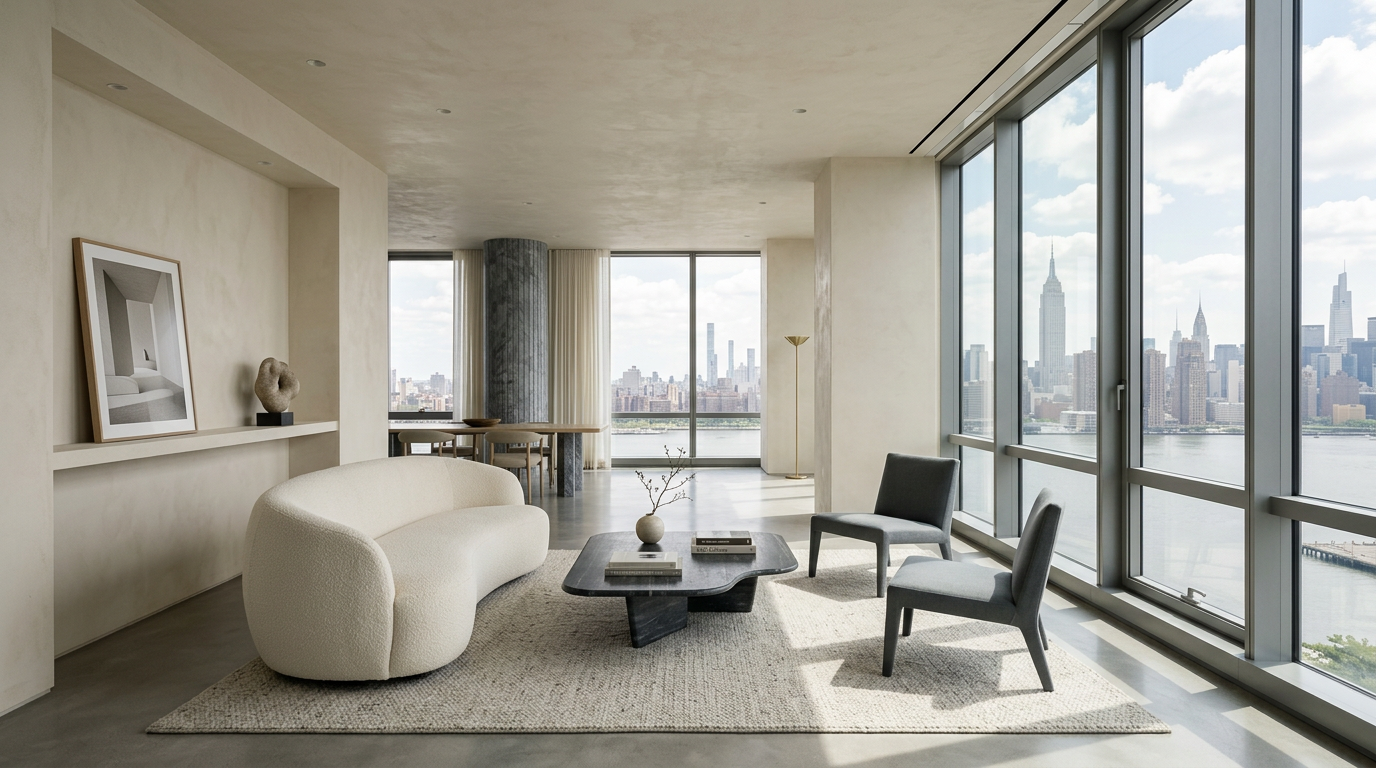
The Wellness Monolith: ESG and the Evolution of New York City Luxury
In New York City, the concept of sustainable luxury has pivoted from ‘energy saving’ to ‘human optimization.’ The new trophy asset in Manhattan is not just carbon-neutral; it is a ‘wellness sanctuary’ designed to actively improve the health and longevity of its inhabitants.
The Core Driver: The Longevity Economy
The driver is the rise of the ‘Longevity Economy.’ UHNW individuals are increasingly investing in ‘bio-hacking’ and health optimization. Consequently, the demand for residences that incorporate circadian lighting, advanced water purification, and non-toxic, VOC-free materials has skyrocketed.
The ‘Vertical Forest’ and Urban Air
With the density of Manhattan, ‘Air’ has become a luxury commodity. We are seeing a trend toward ‘Vertical Forests’ and integrated greenery that acts as a natural filter for urban pollutants. The prestige is no longer just about the view of the park, but about the quality of the air inside the apartment.
Investor Implications
Wellness-certified buildings (LEED Platinum, WELL Gold) are commanding a significant rental and sales premium. Investors are realizing that ‘Health-First’ architecture reduces vacancy rates and attracts the highest-caliber tenants—global executives who prioritize performance and recovery.
Actionable Strategy
- Implement ‘Longevity Suites’: In new developments or major renovations, dedicate space to a professional-grade wellness suite (cold plunge, infrared, red-light therapy).
- Prioritize ‘Biophilic Design’: Integrate nature into the living space. The use of living walls and natural light optimization is now a baseline requirement for the NYC ultra-prime buyer.
- Target the ‘Corporate Wellness’ Demand: Market these assets to the C-suite as ‘performance enhancers’—homes that facilitate better sleep and lower stress, directly impacting professional output.
Conclusion
Sustainable luxury in NYC is no longer about saving the planet; it is about optimizing the human. The assets that will maintain their value are those that treat the home as a tool for health and longevity.